
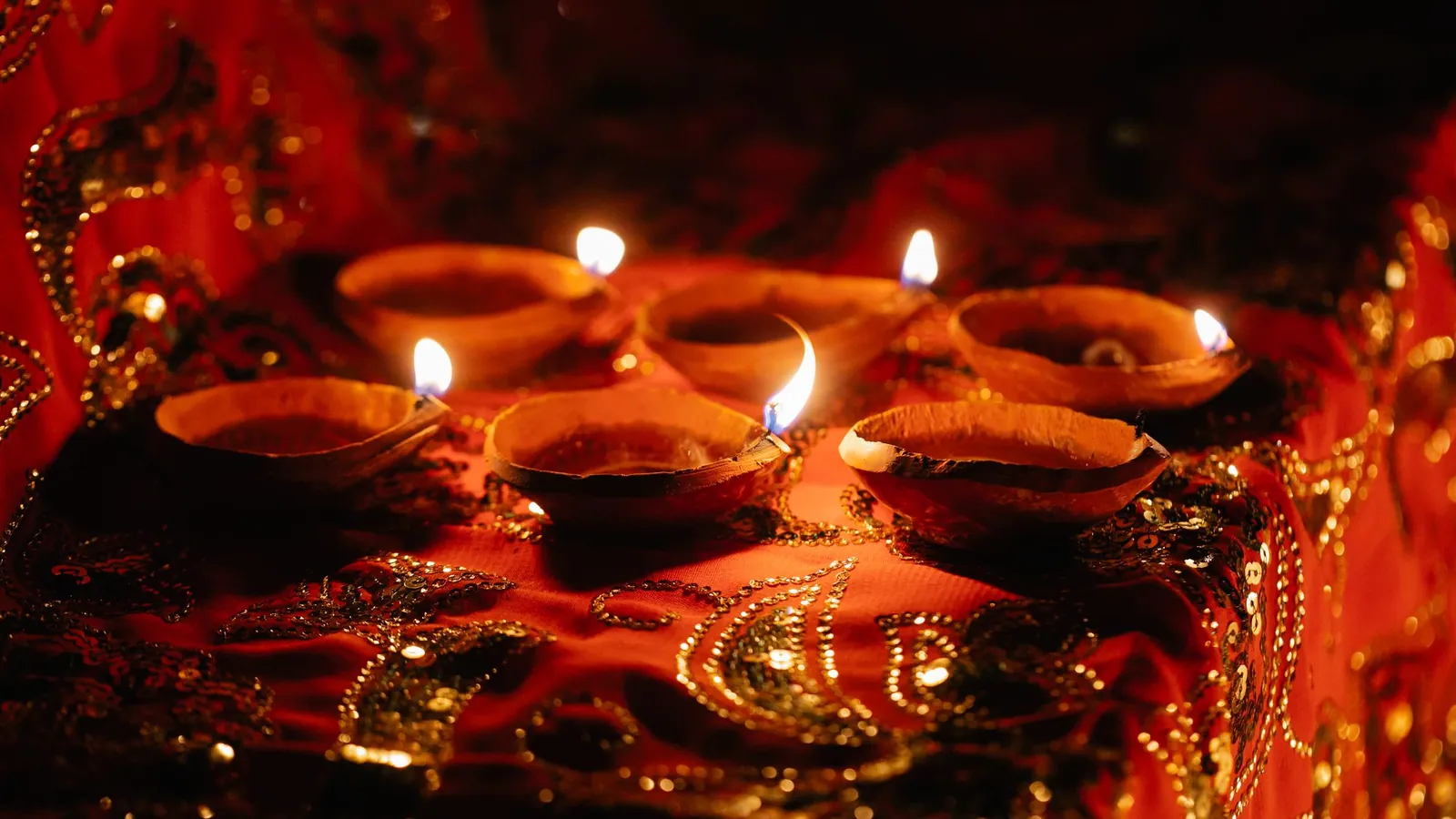
In Indian culture, rituals, traditions, and Puranic stories have been handed down through centuries. To a superficial observer, these practices can appear as mere external ceremonies, superstitions, or mythological tales.
However, as Brahmarshi Pitamaha Patriji highlights in his discourse (“The Esoteric Inner Meanings of Customs and Traditions”), Indian spiritual culture was engineered as a profound spiritual science. Every custom, deity representation, and Puranic motif is a sophisticated spiritual allegory, designed to lead the human soul toward self-realization (Atma Jnana).
By looking beyond external rituals and unlocking their Antarardha (inner esoteric meanings), seekers transform daily living into an ongoing, conscious meditation.
1. Tri-Karana Shuddhi: the trifold alchemy of purity
At the core of spiritual evolution lies the principle of Tri-Karana Shuddhi, the complete purification of the three instruments of human action: mind (Manas), speech (Vak), and body (Kaya). Brahmarshi Pitamaha Patriji explains that human karmic activity (Karma) flows through these three entry points:
- Kaya Karma (physical action): Actions performed directly through the physical body and hands.
- Vachika Karma (vocal action): Energy expressed through speech, words, and vocal vibration.
- Manasika Karma (mental action): Subtle karmas generated through thoughts, intentions, and mental chatter.
True purification occurs when a seeker aligns all three dimensions in harmony with truth. When physical actions are performed selflessly, speech is truthful and beneficial, and thoughts are kept pristine through meditation (Dhyanam), complete purification (Paripoorna Shuddhikaran) takes place. This tri-fold alignment frees the soul from karmic bonds, laying the foundation for liberation (Moksha).
2. Esoteric symbology: deities as archetypes of consciousness
Rather than viewing deities merely as external idols to be appeased with physical offerings, Brahmarshi Pitamaha Patriji reveals that each deity represents a specific state of higher consciousness, psychological capacity, or spiritual law.
| Deity / cultural symbol | External representation | Esoteric inner meaning (Antarardha) |
|---|---|---|
| Ganga (గంగ) | Sacred river | Jnana Ganga: the unceasing, purifying flow of supreme spiritual wisdom. |
| Saraswati (సరస్వతి) | Goddess of learning and the Vina | High analytical thinking, pure intellect, Viveka (discrimination), and creative manifestation. |
| Lakshmi (లక్ష్మి) | Goddess of wealth | Spiritual abundance, divine grace, inner peace, and noble virtues. |
| Parvati (పార్వతి) | Goddess of power | The willpower of Tapas (intense meditation), inner strength, and transformative discipline. |
| Hanuman (హనుమంతుడు) | Vayu Putra, the monkey god | Vayu (breath) mastery; channeling vital life-force (Prana) through devotion to transcend the restless ego. |
| Vishnu on Sesha (విష్ణువు) | Lord resting on the cosmic serpent | Omnipresent consciousness (Sarva Vyapi) resting in tranquility amidst the ocean of cosmic energy. |
| Indra / Mahendra (ఇంద్రుడు) | King of the Devas, the rain god | Indriya Jayam: mastery over the five senses; when senses are mastered, divine grace rains down. |
| Govardhana Giridhari | Krishna lifting the mountain | Elevating awareness above material sensory chaos to protect lower animal/mind aspects (Gokulam). |
| Vinayaka and Kumaraswamy | Ganesha and Kartikeya | The awakening of supreme intellect, removal of spiritual obstacles, and harnessing higher energy channels. |
Decoding the goddesses: the Tri-Devi framework
Brahmarshi Pitamaha Patriji explains that the divine feminine triad represents progressive stages of spiritual development:
- Saraswati: Represents Viveka (discrimination) and high spiritual intellect. Through study and reflection, one becomes an embodiment of Saraswati.
- Lakshmi: As intellect refines into spiritual awareness, inner richness (Lakshmi) naturally manifests, filling life with peace and harmony.
- Parvati: Ultimate transformation requires Tapas (meditation and discipline), embodied by Parvati’s intense spiritual penance.
Hanuman: the science of breath mastery
Hanuman is reverently called Vayu Putra (Son of the Wind). Brahmarshi Pitamaha Patriji clarifies the inner secret: Vayu (the wind) represents the breath (Shwasa). Hanuman represents the seeker who masters the breath through Anapanasati Dhyanam. By controlling the breath, the monkey-like restless mind (Kapi) is stilled, unleashing immense spiritual strength, humility, and divine wisdom.
Vishnu and the cosmic serpent
Lord Vishnu is depicted as Sesha Sayana, resting serenely on the multi-headed serpent Adisesha floating upon the ocean. Brahmarshi Pitamaha Patriji highlights that Vishnu signifies omnipresent consciousness (Sarva Vyapi). The multi-headed serpent symbolizes cosmic energy and mind force. A realized master remains unshakeable and serene atop the waves of cosmic energy.
3. Vasudeva Sarvam: realizing universal consciousness
A central scriptural cornerstone highlighted in Brahmarshi Pitamaha Patriji’s discourse is the famous verse from the Bhagavad Gita:
“Bahunam janmanam ante jnanavan mam prapadyate, Vasudevah sarvam iti sa mahatma su-durlabhah.”
Bhagavad Gita
After undergoing numerous births and evolutionary experiences, wisdom finally dawns upon the soul. The seeker realizes that Vasudeva (the divine supreme consciousness) is everything and in everyone (Vasudevah Sarvam).
This realization transforms everyday human interactions. Offering Namaskaram (salutation) to parents, elders, great leaders, or fellow human beings is not mere social etiquette. It is a conscious acknowledgment of the divine spark residing within every form.
Through the steady practice of Anapanasati Dhyanam (breath-mindfulness meditation), the illusion of separation vanishes. The seeker shifts from a limited egoic identity to the grand Vedic affirmation Aham Brahmasmi (“I am the Supreme Consciousness”). When you recognize the divine spark within yourself, you naturally recognize that same divinity in all human beings, animals, and nature.
4. Pillars of daily spiritual living: Ahimsa, Shakaharam, and time stewardship
To sustain this elevated awareness, Brahmarshi Pitamaha Patriji emphasizes three essential lifestyle practices:
- Ahimsa and Shakaharam (non-violence and vegetarianism): True spirituality requires compassion toward all living beings. Practicing vegetarianism (Shakaharam) respects the sacred spark of life in animals and prevents the accumulation of dense karmic obstructions.
- Sacred stewardship of time (Tapasvardhanam): Time is the most valuable currency given to a human being. Brahmarshi Pitamaha Patriji firmly advises: “Never ever waste your time.” Every moment saved from trivial gossip or sensory distractions should be invested in meditation (Dhyana), study of sacred texts (Swadhyaya), and spiritual service.
- Spiritual fellowship (Satsang): Engaging with fellow seekers and enlightened masters reinforces divine principles, helping seekers stay rooted in wisdom even amidst worldly duties.
Conclusion: from outer rituals to inner awakening
Brahmarshi Pitamaha Patriji’s teachings bridge the gap between ancient cultural traditions and modern spiritual science. Rituals and Puranic allegories were never meant to bind us to external routines; they were designed as pointers toward inner transformation.
By recognizing deities as archetypes of our own higher consciousness, purifying our thoughts, words, and actions through Tri-Karana Shuddhi, and practicing daily breath meditation, we honor the true spirit of Indian wisdom: awakening the master within.
0 views