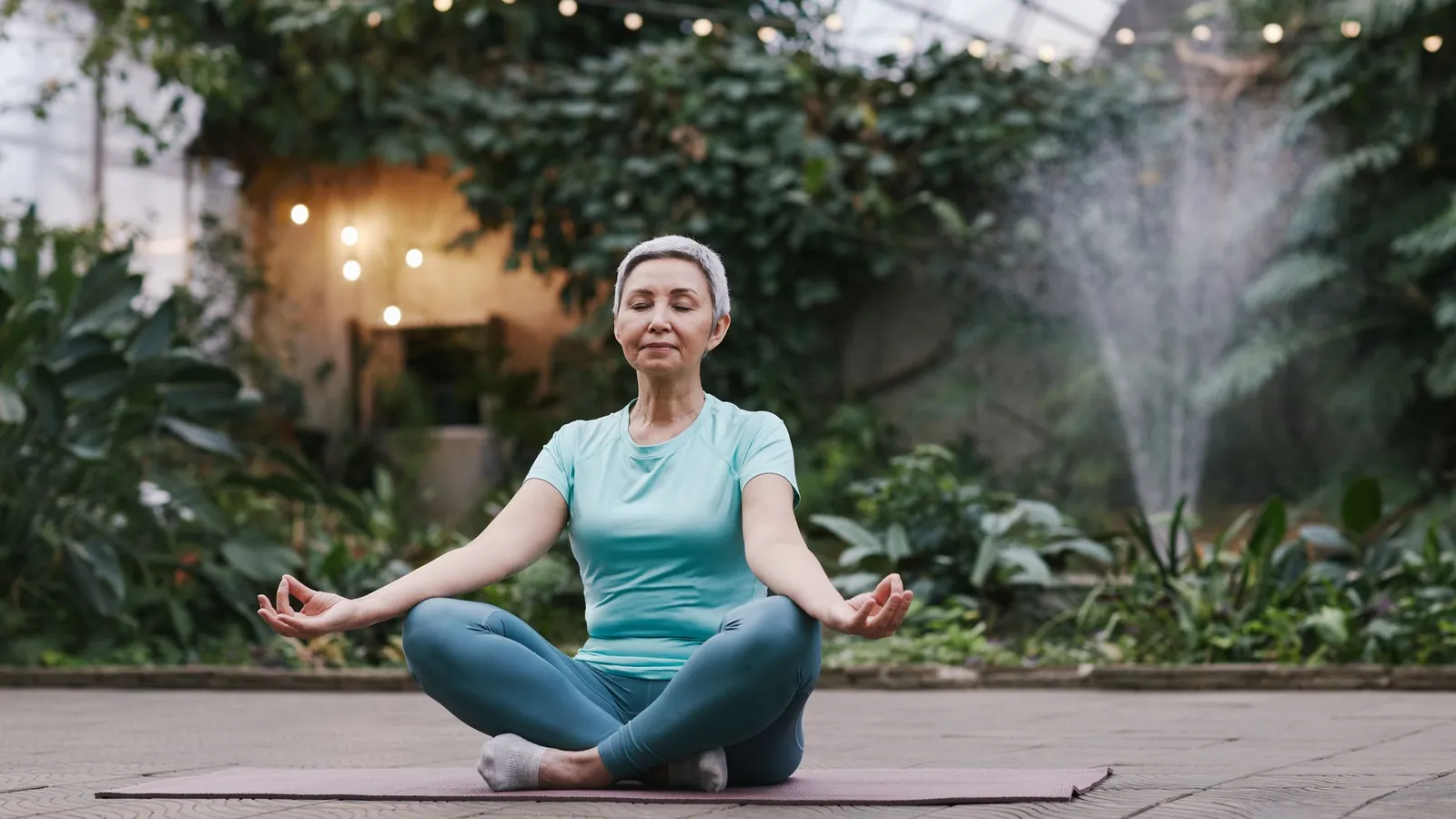
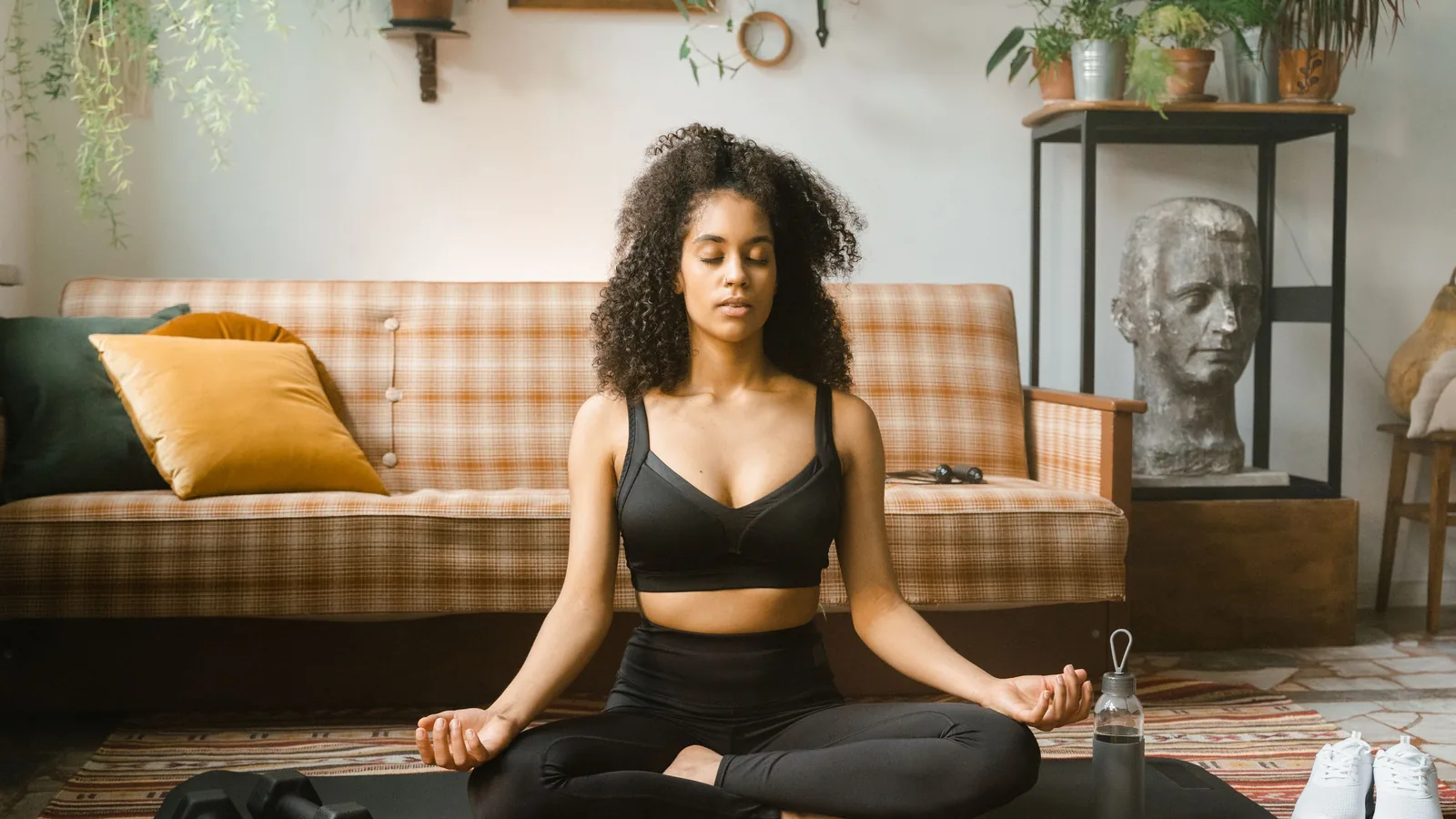
For many individuals stepping onto the path of self-discovery, meditation can initially feel overwhelming.
Popular culture often surrounds meditation with intimidating images of rigid ascetic postures, complex breath control exercises, or abstract visualization techniques. In the enlightening discourse “How to do Meditation for Beginners?”, Brahmarshi Pitamaha Patriji dismantles these misconceptions, presenting meditation as the simplest, most natural, and most potent tool for human evolution. At the core of Brahmarshi Pitamaha Patriji’s teachings is Anapanasati Dhyanam, the ancient practice of effortlessly observing one’s natural, normal breath.
1. Demystifying meditation: the pure simplicity of Anapanasati
Traditional spiritual science divides the term Anapanasati into three distinct Sanskrit components: Ana (in-breath), Apana (out-breath), and Sati (to be united with). Together, they signify unbroken union with the natural flow of breath. Brahmarshi Pitamaha Patriji emphasizes that true meditation does not require strenuous mental effort, chanting of mantras, focusing on internal energy centers, or visualizing complex imagery.
When the mind is burdened with mantras, rituals, or mental control, it remains active. True meditation begins only when the mind achieves absolute quietude. By gently tethering awareness to the natural movement of the breath, the mind naturally slows down, thoughts diminish, and the practitioner seamlessly enters a state of deep meditative stillness.
2. The core mechanics: posture, energy circuit, and breath
To practice Anapanasati effectively, beginners need only follow a few physical and mental guidelines that maximize comfort and energy retention during practice. Brahmarshi Pitamaha Patriji outlines a straightforward physical setup designed to lock body energy and promote mental ease.
- Comfortable posture (Sukhasana): Sit in any comfortable position on the floor or a chair. Physical comfort is paramount; there is no requirement to master difficult yogic postures.
- Clasping hands and crossing legs: Cross the legs or ankles and interlock the fingers securely. Closing the limbs prevents energy from leaking outward, creating a closed internal circuit for cosmic energy flow.
- Closing the eyes: Closing the eyes isolates consciousness from external visual distractions, turning the focus inward.
- Observing the natural breath: Gently observe the natural, normal inhalation and exhalation as it happens. Do not force, hold, or manipulate the breath in any way (Suukshmaya Praanaayam). Soft background music can also be played to aid initial relaxation.
3. The golden rule of duration: the age-minute formula
A frequent dilemma for beginners is determining how long to sit in meditation. Brahmarshi Pitamaha Patriji provides a clear, scalable rule based on physical age, ensuring that practice grows naturally alongside personal maturity and capacity.
This natural formula guarantees that beginners do not push themselves into burnout, while experienced practitioners dedicate adequate time to quiet the mind deeply.
4. The three golden pillars for holistic evolution
Meditation does not exist in a vacuum; its benefits blossom fully when supported by conscious living. Brahmarshi Pitamaha Patriji lays out three fundamental principles that form the bedrock of a complete spiritual life:
- Daily Anapanasati meditation: Consistently sitting in silent breath observation to recharge the inner energy body with cosmic energy (Vishwa Prana Shakti).
- Universal non-violence (Ahimsa) & pure diet: Adopting a compassionate vegetarian lifestyle (Shaakaahaaram). Real spiritual growth is impossible if one causes harm or suffering to fellow living beings for sustenance.
- Absolute non-interference: Respecting the individual soul journeys of others without judgment, unwanted intrusion, or attempting to impose one’s will on their choices.
5. Overcoming fear and life friction through mind stillness
Physical ailments, emotional anxiety, financial strain, and social friction stem fundamentally from mental noise, energy depletion, and inner fear. As highlighted in spiritual texts on soul evolution such as Architecture of the Soul, fear is often a deeply ingrained pattern carried into physical incarnation.
Regular meditation acts as the master key to resolving life’s struggles. When thoughts subside during meditation, the physical and subtle bodies absorb vast streams of cosmic energy. This energy cleanses energetic blockages, heals physical illness, clears subconscious fears, and elevates human awareness to realize its true divine identity (Aham Brahmasmi).
6. Beginner’s action plan: misconceptions vs. authentic practice
Transitioning from theoretical understanding to daily practice requires clearing common misunderstandings. The comparative overview below clarifies how authentic Anapanasati differs from popular misconceptions.
| Dimension | Common misconception | Brahmarshi Pitamaha Patriji’s authentic Anapanasati |
|---|---|---|
| Primary focus | Chanting mantras or visualizing deities | Observing natural, unforced breath |
| Physical effort | Strict, rigid, uncomfortable postures | Comfortable seating with crossed limbs and closed eyes |
| Breath control | Heavy breathing, breath holding, or forced rhythms | Effortless observation of natural inhalation and exhalation |
| Lifestyle integration | Isolated practice detached from daily ethics | Integrated living grounded in Ahimsa and Non-Interference |
Conclusion: embarking on your daily meditative journey
Meditation is neither a distant ideal reserved for ascetics nor an intricate science beyond the reach of everyday people. By embracing the simple, natural practice of Anapanasati, sitting comfortably for minutes equal to your age, and cultivating a life of non-violence and quiet self-awareness, you unlock an inexhaustible reservoir of health, peace, and spiritual clarity.
Begin today: close your eyes, clasp your hands, and simply follow your breath.
0 views